
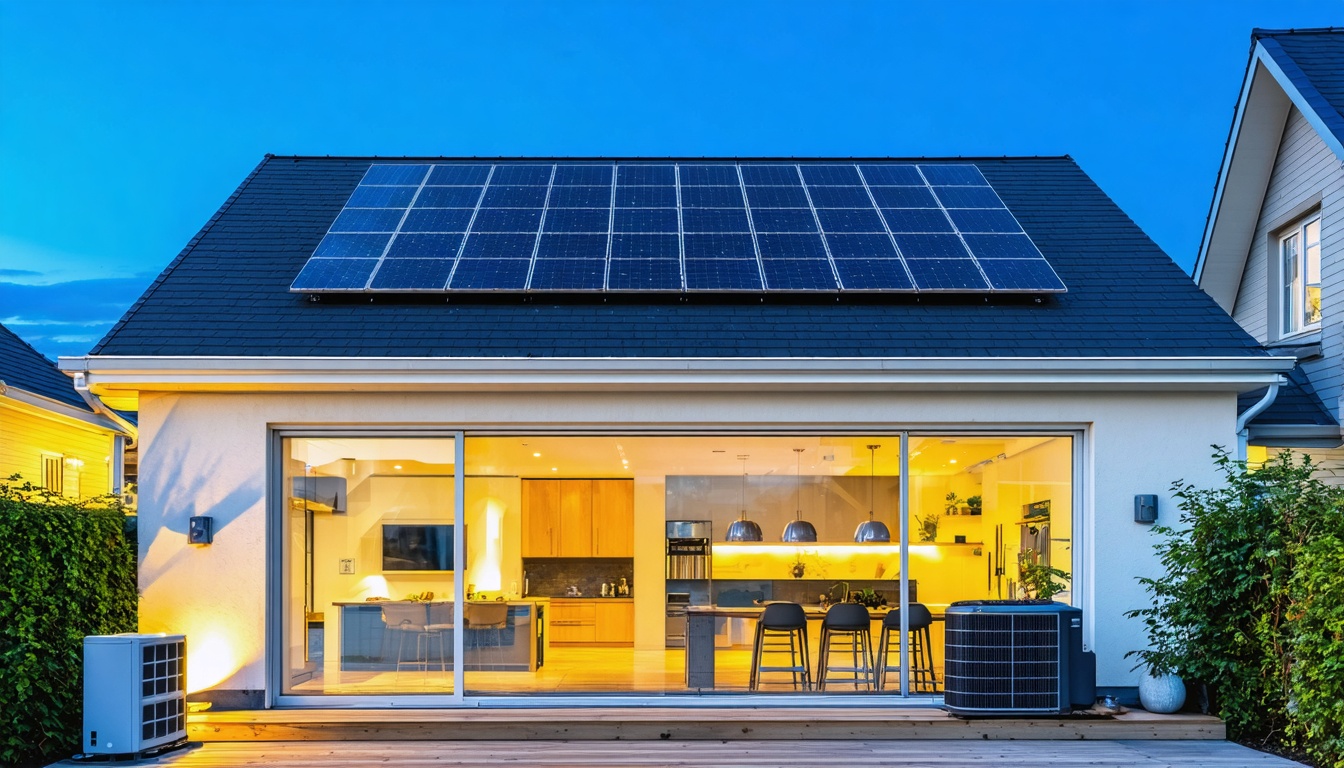
Home Energy Efficiency Improvements That Complement Solar Power
If you are planning to install solar panels, it is advisable to enhance the energy efficiency of your home before making the investment. Upgrading features such as insulation, windows, and thermostats can significantly reduce energy consumption, ensuring that the solar power generated is utilized effectively rather than being wasted. Additionally, there are various financial incentives and programs available that can help offset the costs of these efficiency improvements. It's important to consider these upgrades not only for their immediate benefits in reducing energy demands but also for their role in maximizing the effectiveness of a solar power system. A strategic approach you may not have considered is conducting a comprehensive energy audit. An energy audit assesses your home’s current energy use and identifies areas where improvements can be made. This may reveal specific upgrades tailored to your home’s unique characteristics, thereby optimizing the overall energy efficiency and further enhancing the performance of your solar installation.
Importance of Energy Efficient Upgrades in Residential Homes
Improving energy efficiency in residential homes is a methodical approach that can enhance the effectiveness of solar power systems. Implementing energy-efficient upgrades, such as sealing air leaks, plays a crucial role in reducing heat loss and subsequently lowering electricity expenses.
The installation of Energy Star-rated windows and smart thermostats can further optimize energy consumption while ensuring a comfortable indoor environment.
Homeowners in the United States can potentially take advantage of federal tax credits, which may total up to $3,200 annually. These credits apply to a range of energy-efficient improvements, including the installation of heat pumps, water heaters, and heat pump water systems.
Such upgrades can complement solar panel installations, facilitating a more cohesive integration of renewable energy into a household’s overall energy strategy. For those in Medford, Oregon, local solar companies like Solar Companies in Medford, Oregon can provide expert guidance and services.
Adopting energy-efficient enhancements not only helps lower individual carbon footprints but also represents a potential financial investment for homeowners considering solar energy.
By prioritizing these upgrades, residents can enhance the performance of their solar systems and contribute to broader environmental sustainability goals.
Examples of Energy Efficiency Improvements
Energy efficiency improvements can enhance the functionality of solar power systems, leading to reduced energy costs and a smaller environmental impact. For instance, upgrading insulation helps to limit heat loss, which can optimize solar panel performance and improve the overall comfort and energy efficiency of a home.
The adoption of Energy Star-rated appliances and LED lighting can result in significant reductions in electricity consumption in both residential and commercial settings. Additionally, measures such as sealing air leaks and implementing smart thermostat controls can enhance energy management practices.
These strategies can contribute to decreased energy expenses and a lower carbon footprint.
Adopting heat pump water heaters and upgrading to modern heating systems, including new heat pumps and natural gas-powered water heaters, also offer energy efficiency benefits. In recent years, these technologies have become increasingly available to homeowners in the United States, providing various options for improving energy efficiency.
In summary, these approaches represent practical steps toward improving energy performance and sustainability in residential environments.
Financial Incentives for Energy Efficiency Renovations
Investing in energy efficiency upgrades can lead to notable cost savings for homeowners, particularly when financial incentives are considered. In the United States, various tax credits are available that can cover up to 30% of the costs associated with energy-efficient home improvements. These upgrades may include the installation of solar panels, heat pumps, energy-efficient windows, and water heaters.
In addition, certain projects such as sealing air leaks and installing smart thermostats not only aid in reducing energy consumption but also contribute to diminishing the overall carbon footprint. Homeowners may further enhance their financial advantages by undertaking multiple improvements within the same calendar year.
Tax credits available for general home upgrades can amount to $1,200, while specific incentives for heat pump installations can reach up to $2,000. These federal incentives support the promotion of sustainable living by enhancing indoor air quality and reducing energy bills.
Consequently, the financial assistance available for energy efficiency upgrades serves as a realistic consideration for homeowners seeking to improve their property's efficiency while also lowering energy costs.
Federal Tax Credits for Energy Efficient Home Enhancements
Upgrading to energy-efficient home enhancements often requires a significant upfront investment. However, federal tax credits can mitigate some of these costs for homeowners in the United States. Homeowners may be eligible for tax credits totaling up to $3,200 annually for specific Energy Star upgrades. These upgrades can include the installation of new heat pumps, replacement windows, and heat pump water heaters.
In addition, the Residential Clean Energy credit permits homeowners to deduct 30% of eligible expenses related to solar panels and associated improvements. There are also additional credits available for various home efficiency measures, which may encompass energy audits, smart thermostats, and high-efficiency water heaters.
To take full advantage of these credits, homeowners should file IRS Form 5695 for the tax year in which the improvements are made. It is recommended that individuals consult with a tax professional to understand the eligibility requirements and the application process for these credits, ensuring they maximize the potential benefits available to them.
Eligible Upgrades and Requirements for Tax Credit Claims
To effectively utilize federal tax credits for home energy upgrades, it is essential to identify which projects qualify for these incentives and to understand the specific requirements associated with them.
Eligible improvements include the installation of Energy Star-rated windows, enhanced insulation, electric heat pumps, heat pump water heaters, and solar panels. These upgrades can contribute to lower energy consumption, reduced heat loss, and improved indoor air quality.
Under recent tax regulations, homeowners may qualify for a 30% tax credit for expenses related to heat pump water heaters, traditional water heaters, and solar energy systems.
It is important to ensure that the property being upgraded is the taxpayer's principal residence in the United States to be eligible for these incentives.
To comply with current tax credit regulations and maximize potential savings, it is advisable to consult with a professional who understands the nuances of these requirements.
Such consultation can assist in navigating the complexities of eligibility and optimizing the benefits available through tax credits.
Strategies for Maximizing Tax Savings
Maximizing tax savings involves a careful comprehension of annual limits and appropriate timing for eligible upgrades. To effectively leverage tax credits, it is advisable to stagger investments in energy-efficient home improvements—such as heat pump water heaters, new heat pumps, and ENERGY STAR windows—across multiple years.
Furthermore, utilizing the federal 30% tax credit for solar panels can provide significant financial advantages. It is also practical to consolidate projects, including electric water heaters, smart thermostat upgrades, and air quality improvements, within the same tax year when applicable.
Conducting a home energy audit is another strategic measure that can help identify cost-effective upgrades. These audits typically reveal areas of heat loss and air leaks that may need remediation.
Moreover, consulting with a trustworthy partner in the field can provide valuable insights, and reviewing frequently asked questions about available incentives can aid in optimizing tax savings. This methodical approach not only aims to enhance tax efficiency but also contributes to the overall sustainability of residential and commercial properties.
Benefits of Integrating Solar Energy with Efficiency Upgrades
Integrating solar energy with energy efficiency upgrades is a practical method for improving a home’s energy performance and reducing utility costs. Solar panels can lower electricity consumption, while the addition of specific efficiency measures can enhance these benefits.
For instance, upgrading to Energy Star-rated windows, sealing air leaks, and utilizing heat pumps or modern heat pump water heaters can decrease electricity demand and improve indoor comfort during varying weather conditions.
Homeowners across the United States have access to these efficiency upgrades, which can help maximize the advantages of federal tax credits available for solar energy investments. Data from recent studies indicate that some households and businesses have managed to reduce their energy costs by as much as 50% through the combination of solar energy and efficiency strategies.
These upgrades also contribute to a reduction in overall carbon emissions, which aligns with objectives for more sustainable energy practices.
In summary, the integration of solar energy with energy efficiency measures offers the potential for reduced utility expenses and supports more sustainable consumption patterns. The combined approach is a practical consideration for homeowners seeking to enhance their energy efficiency and contribute to environmental sustainability.
Optimizing Energy Efficiency Prior to Solar Installation
Before installing solar panels, improving a home's energy efficiency is a practical step that can enhance the effectiveness of the solar system and lead to cost savings.
Key upgrades to consider include improving insulation to minimize heat loss, sealing windows to reduce air infiltration, and replacing outdated appliances with energy-efficient models, such as smart thermostats and ENERGY STAR-rated water heaters.
These enhancements can not only increase energy efficiency but also contribute to better indoor air quality and decrease monthly electricity expenses.
Conducting a comprehensive home energy audit can help identify specific areas that require attention. Additionally, certain upgrades, including heat pump water heaters and heat pumps, may be eligible for federal tax credits aimed at promoting energy efficiency in residential properties across the United States.
Implementing these energy-efficient measures can lead to a reduction in carbon emissions, which aligns with broader sustainability goals for both households and businesses.
This systematic approach to energy management can optimize the performance of solar energy systems once they are installed.
Practical Steps for Implementing Energy Improvements
Upgrading a home's energy efficiency can enhance sustainability and improve the effectiveness of solar energy systems. A pragmatic initial step is to perform an energy audit, which identifies areas with air leaks and other inefficiencies.
Important improvements may include enhancing insulation, replacing windows, and sealing leaks to reduce heat loss and maintain indoor air quality.
The installation of a Smart Thermostat can improve energy management, while Energy Star appliances are designed to lower energy consumption and reduce utility costs.
When assessing options for water heating, heat pump water heaters generally offer higher efficiency compared to standard natural gas units.
Homeowners are encouraged to consult with a solar installation provider regarding potential federal tax credits for renewable energy projects, which can help mitigate upfront costs and promote the integration of sustainable energy solutions.
Staying informed about regulatory changes and financial incentives related to energy efficiency improvements is advisable for optimizing benefits.
Conclusion
Enhancing your home’s energy efficiency can lead to financial savings, improved comfort, and increased long-term property value. Key upgrades, such as installing proper insulation, energy-efficient windows, and smart thermostats, can effectively reduce energy consumption. These improvements allow homeowners to decrease their utility bills and minimize their carbon footprint. When such energy-efficient measures are integrated with solar power systems, the overall benefits can be amplified. Solar panels produce renewable energy, which can further reduce reliance on grid electricity. Additionally, many regions offer financial incentives for energy-efficient home upgrades and solar installations, potentially making this combination more economically viable. Implementing energy efficiency improvements not only provides immediate benefits in terms of reduced energy costs but can also enhance the resale value of a home. As energy efficiency becomes a priority for potential buyers, homes equipped with these features may attract more interest in the real estate market. In conclusion, investing in energy efficiency upgrades alongside transitioning to solar energy can lead to substantial benefits for homeowners, both financially and environmentally, while contributing to broader sustainability efforts.

